What Causes Loss of Power in Modern Diesel Engines?
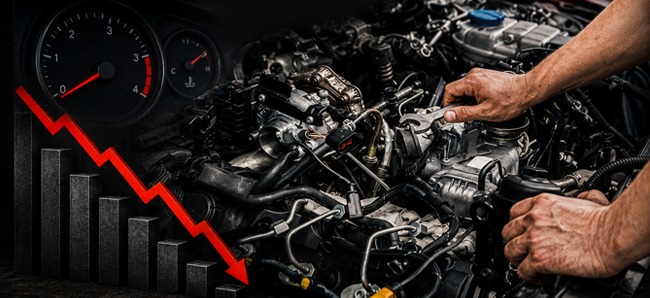
Loss of power in diesel engines implies a sudden or gradual drop in the engine’s performance to deliver expected horsepower and torque. The most common causes for such power loss are restricted fuel delivery, blocked airflow, and exhaust restrictions. You will notice signs such as sluggish acceleration, rough idling, unusual exhaust smoke, etc. Based on the causes of power loss, you need to take appropriate measures to resolve the issue.
Causes of Power Loss in Diesel Engines
The following are the possible causes of power loss in your diesel vehicles. Let’s discuss further.
Fuel System Problems
The fuel system delivers precisely metered diesel fuel to the engine under extremely high pressure. Contaminated fuel, clogged filters, failing injectors, or worn fuel pumps can all reduce engine performance. Even slight restrictions in fuel delivery can lead to reduced combustion efficiency and noticeable power loss. Possible causes of fuel system issues are clogged fuel filters, dirty fuel injectors, water contamination, fuel pump wear, and low fuel pressure. The following tips may help prevent such issues –
- Replace fuel filters regularly
- Purchase diesel from reputable suppliers
- Drain water separators as required
- Inspect injectors during routine servicing
Using poor-quality fuel
Using low-quality fuel can cause power loss in diesel engines. It may contain high levels of paraffin or sulfur. In cold weather, these substances may form a gel and block the lines. As a result, it restricts fuel delivery. Therefore, to maintain your engine power, you need to select an appropriate fuel type that meets industry standards.
Water contamination can also pose a threat to modern diesel engines. Water causes corrosion inside the fuel injectors and the pump. It can lead to total power failure. Installing a high-efficiency water separator can help remove water and solid particles from the fuel.
Clogged Diesel Particulate Filter (DPF)
The DPF captures soot and particulate matter from the exhaust before releasing it into the atmosphere. Unsuccessful or incomplete regeneration can cause soot buildup inside the filter. It further creates backpressure, preventing the engine from expelling exhaust gases efficiently. Therefore, to protect the engine, the engine control module (ECM) often reduces engine output. As a result, it causes significant power loss. The following tips might help prevent such issues.
- Complete regeneration cycles whenever possible
- Avoid excessive short-distance operation
- Schedule professional DPF cleaning before excessive soot buildup occurs
- Address engine faults that prevent proper regeneration
Exhaust Restrictions
Besides DPF, possible causes of exhaust restrictions are collapsed exhaust pipes, damaged catalytic converters, a plugged Diesel Oxidation Catalyst (DOC), a restricted Selective Catalytic Reduction (SCR) system, etc. All these issues can restrict exhaust flow. It can further lead to increased engine backpressure, which can limit turbocharger efficiency and reduce available power.
Turbocharger Problems
The turbocharger compresses incoming air, allowing the engine to burn more fuel efficiently. It helps generate more power. Therefore, when the turbocharger fails or loses efficiency, engine performance declines significantly. Common turbocharger problems include worn bearings, damaged turbine blades, boost leaks, stuck variable geometry vanes, and oil contamination. To prevent such issues, the following tips may help –
- Change engine oil at recommended intervals
- Inspect air filters regularly
- Repair boost leaks promptly
- Allow proper engine warm-up and cool-down periods
Dirty or Restricted Air Filter
Diesel engines require large amounts of clean air for efficient combustion. A clogged air filter might limit airflow into the engine. It further causes incomplete combustion and reduced horsepower. Construction sites, mining operations, and agricultural environments expose engines to high levels of dust, leading to clogged air filters. Therefore, the following tips might help prevent such issues.
- Inspect air filters frequently in dusty environments
- Replace filters according to manufacturer recommendations
- Clean crucial components during scheduled maintenance
EGR Valve Blockage
The Exhaust Gas Recirculation (EGR) system reduces nitrogen oxide (NOx) emissions by recirculating a controlled amount of exhaust gases back into the intake. Over time, soot and carbon deposits accumulate inside the EGR valve and cooler, restricting airflow and affecting combustion. You may notice signs such as poor throttle response, engine hesitation, excessive smoke, rough idle, and a check engine light. The following tips may help prevent these issues.
- Schedule regular EGR cleaning.
- Address DPF issues before they affect the EGR system.
- Follow recommended maintenance intervals.
Faulty Fuel Injectors
Fuel injectors atomize diesel fuel into a fine mist for efficient combustion. Dirty or worn injectors disrupt the spray pattern, reducing engine efficiency and power output. You may notice signs such as engine knocking, poor acceleration, excessive fuel consumption, etc. The following tips might help prevent these issues.
- Use high-quality diesel fuel
- Replace filters on schedule
- Perform injector testing if performance declines
Sensor or Electronic Control Issues
Modern diesel engines rely heavily on electronic sensors to optimize fuel delivery, turbocharger performance, emissions control, and timing. Faulty sensors can send inaccurate information to the ECM, causing the engine to reduce power unnecessarily. The following tips can help prevent these issues –
- Perform diagnostic scans when warning lights appear
- Replace failed sensors when needed
- Inspect electrical connections for corrosion or damage
Poor Engine Compression
Internal engine wear can also lead to power loss. Worn piston rings, damaged valves, or cylinder wear can reduce compression, making combustion less efficient. You may notice signs such as difficulty starting, excessive crankcase pressure, blue exhaust smoke, persistent loss of power, etc. Regular engine servicing can help identify compression issues before the engine fails.
A single factor cannot cause loss of power in modern diesel engines. A combination of multiple issues such as clogged DPFs, turbocharger inefficiencies, restricted airflow, EGR blockages, etc., can lead to power loss. Hence, it is crucial to identify these issues to prevent expensive repairs, improve fuel efficiency, and ensure your vehicles run effectively. At Edmonton DPF Service, we offer on-vehicle exhaust system cleaning services. If you notice power loss in your diesel vehicles, contact our experts for proper diagnosis and the necessary professional cleaning services.